
Our History
A group of pioneering women in our nation’s capital in 1890 formed this organization in order to express their patriotic feelings. NSDAR’s four founders envisioned an organization that would perpetuate the memory of our ancestors who fought to make this country free and independent and to celebrate the establishment of the United States of America.
Our Story
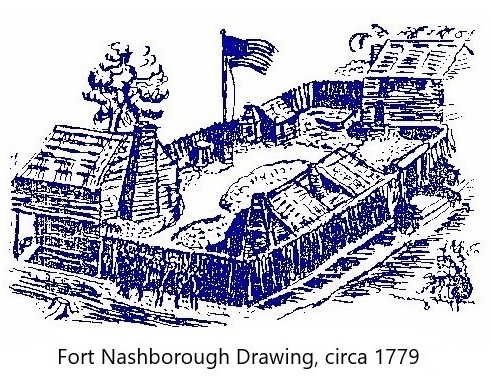
The first permanent settlement of Nashville dates back to 1770, when two parties of settlers, led by John Donelson and James Robertson, established Fort Nashborough, enclosing two acres along the banks of the Cumberland River.
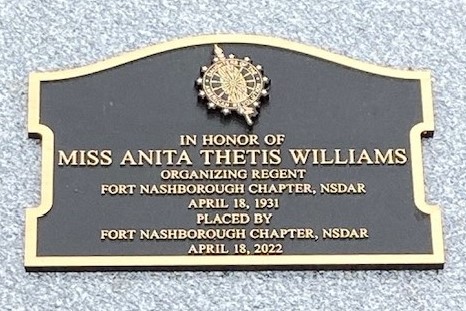
On April 18, 1931, thirty-three ladies met at the Centennial Club in Nashville, Tennessee, to sign the charter forming the Fort Nashborough Chapter, NSDAR. Miss Anita Thetis Williams was the organizing regent.
The chapter is named for the fort that was established by James Robertson and John Donelson on the banks of the Cumberland River. The fort was named Fort Nashborough in honor of General Francis Nash who fought with Robertson in the Battle of Alamance. Nash fell at Germantown, Pennsylvania, on October 4, 1777.
The Fort Nashborough Chapter, NSDAR, was formed in 1931 and named after Fort Nashborough. The present historic site was reconstructed in 1930 and then rebuilt in 1962 on a smaller scale than the initial two-acre enclosure. The fort recreates the construction techniques and unadorned look of the early settlement landscape of Davidson County.
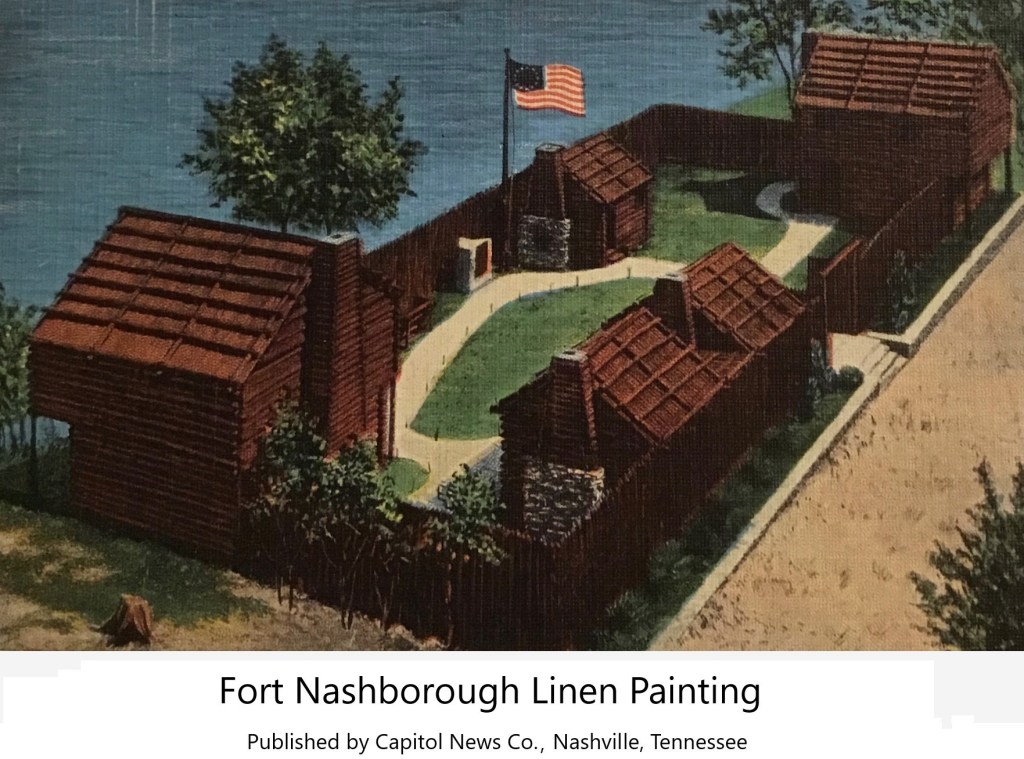
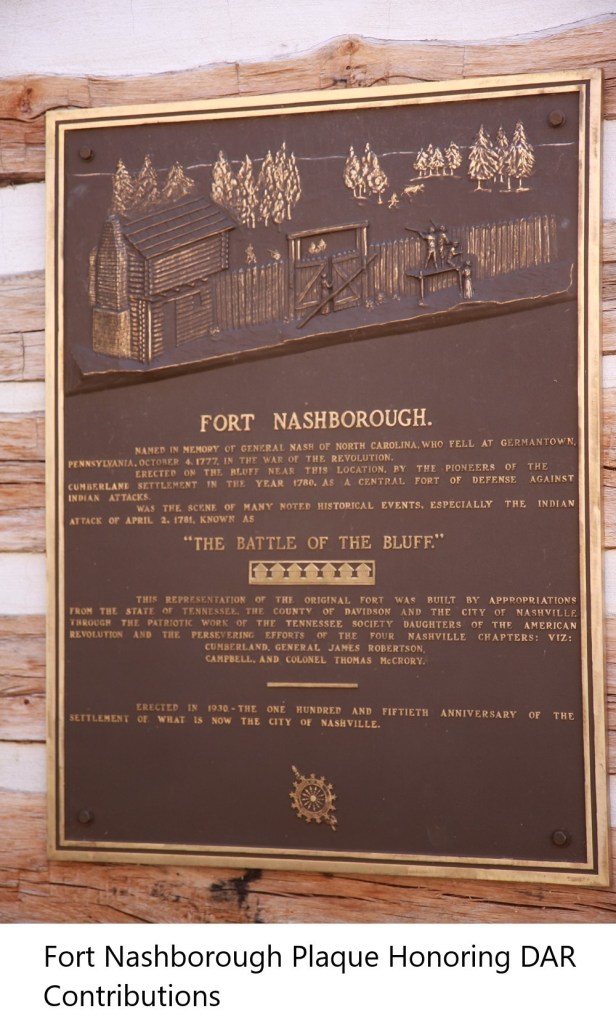
The Tennessee Daughters of the American Revolution (TNDAR) and the four Nashville area NSDAR chapters named on the fort building plaque, partially funded the fort’s reconstruction as part of the organization’s national effort to identify and preserve historic places in the early twentieth century. This effort was led by Lizzie Elliot, a local DAR representative.
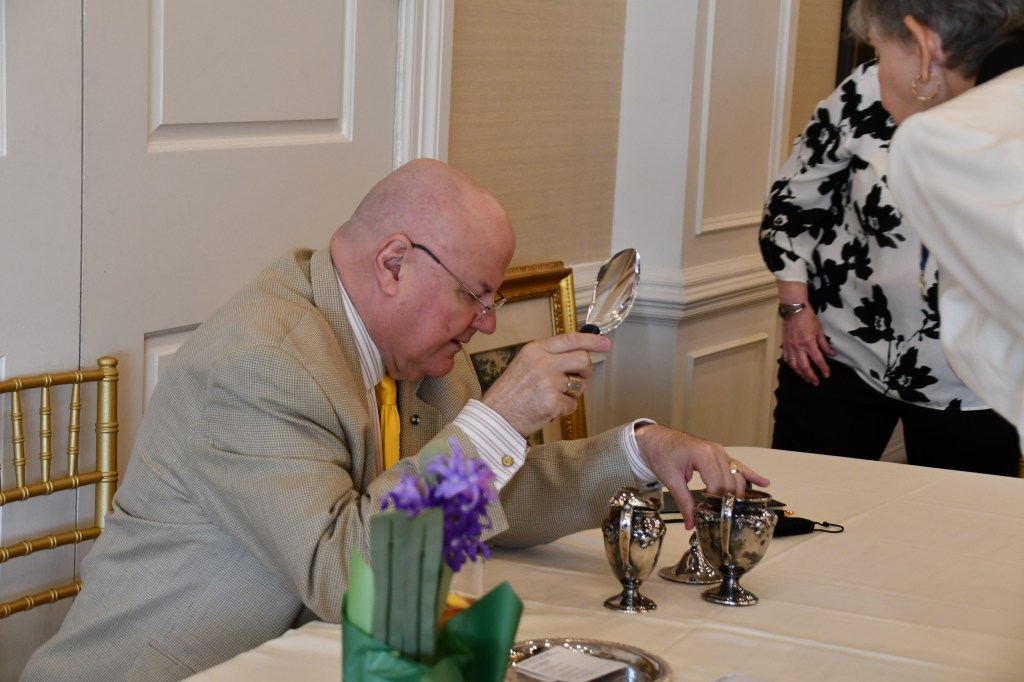
 Fort Nashborough Chapter, NSDAR